Table of Contents
- Where Is Wae Rebo Village?
- The Journey to Wae Rebo Village
- Experience the Traditional Welcome Ceremony
- Discover the Iconic Mbaru Niang Houses
- Experience Authentic Manggarai Culture
- Why Visit Wae Rebo Village?
- Best Time to Visit Wae Rebo
- What to Bring for Your Wae Rebo Trek
- How to Get to Wae Rebo from Labuan Bajo
- Combine Wae Rebo with Komodo National Park
- Responsible Tourism in Wae Rebo
- Frequently Asked Questions About Wae Rebo Village
- Plan Your Wae Rebo Adventure with Sail To Komodo
Discover the Hidden Beauty of Wae Rebo Village, Flores, Indonesia
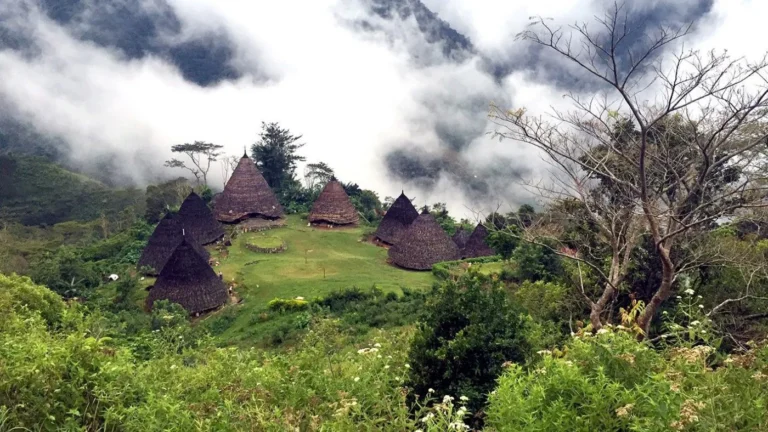
Hidden in the mountains of Manggarai Regency on Flores Island, Wae Rebo Village is one of Indonesia’s most remarkable cultural destinations. Located approximately 1,200 meters above sea level, this remote traditional village is surrounded by lush tropical forests, rolling green mountains, and cool mountain air.
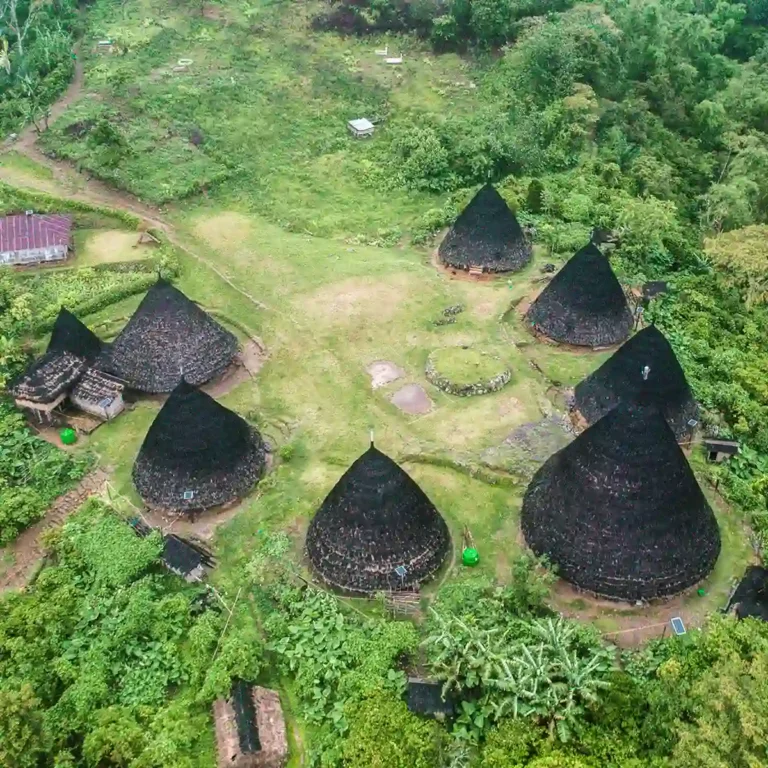
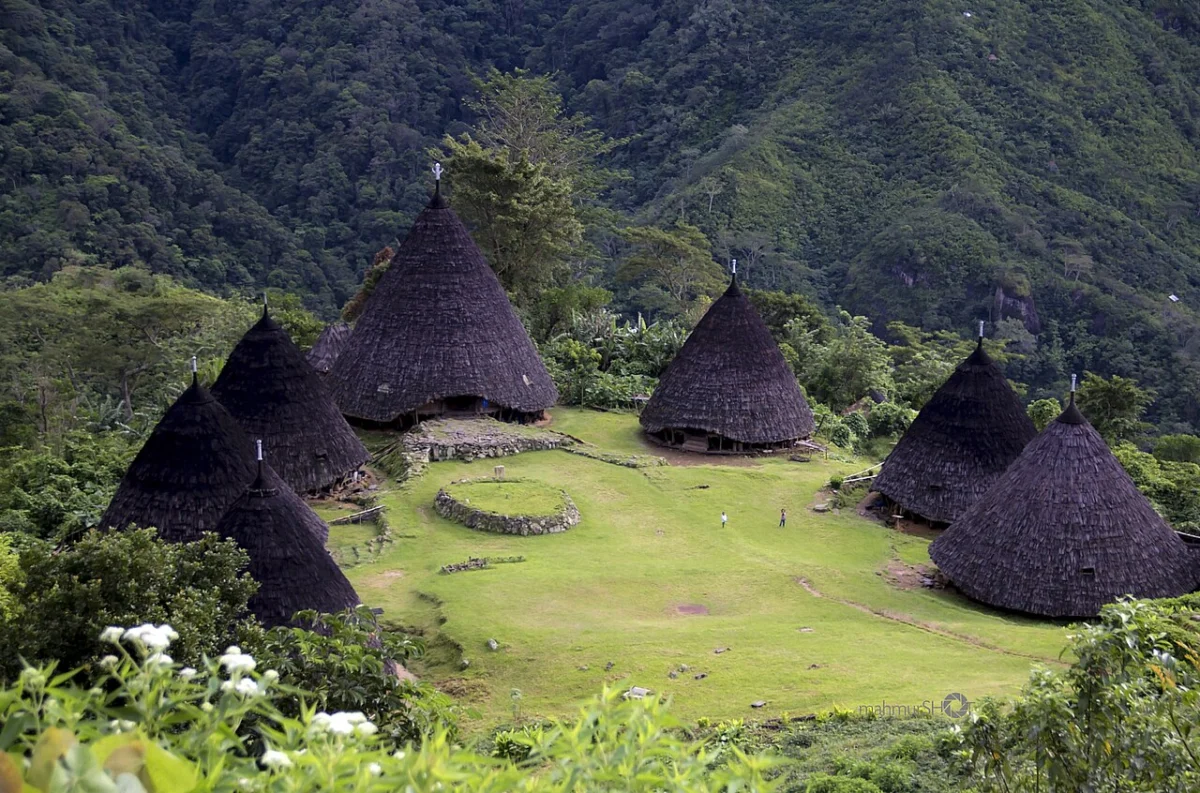
Often called the Village Above the Clouds, Wae Rebo is famous for its seven traditional cone-shaped houses known as Mbaru Niang. These distinctive structures represent the cultural identity and architectural heritage of the Manggarai people.
Recognized internationally for its cultural heritage conservation, Wae Rebo offers travelers a rare opportunity to experience traditional village life, explore beautiful mountain landscapes, and learn about the customs that have been preserved for generations.
If you are planning to explore the cultural side of Flores, Wae Rebo is a destination worth adding to your itinerary.
Where Is Wae Rebo Village?
Wae Rebo is located in Manggarai Regency, on the western part of Flores Island, East Nusa Tenggara, Indonesia.
The journey from Labuan Bajo to Denge Village, the starting point for the trek, generally takes around 5–6 hours by car, depending on road conditions and stops along the way. From Denge, visitors continue on foot through tropical rainforest for approximately 2–3 hours to reach the village.
Although the journey requires time and physical effort, the beautiful scenery and cultural experience make Wae Rebo one of the most rewarding destinations to visit in Flores.
Travelers who want to explore more of the island can also consider our Wae Rebo and Nuca Molas Tour.
The Journey to Wae Rebo Village
The adventure begins with a scenic overland journey from Labuan Bajo through the countryside of Flores. Along the way, travelers can enjoy views of traditional villages, green hills, rice fields, and mountain landscapes.
Depending on your itinerary, you may also visit the famous Cancar Spider Web Rice Fields, locally known as Lingko. These distinctive fields feature a circular pattern divided into sections that resemble a spider’s web, reflecting traditional Manggarai land distribution.
Upon arriving in Denge Village, the trekking adventure begins. The trail passes through tropical rainforest, shaded paths, and beautiful natural surroundings before reaching Wae Rebo.
The hike usually takes around 2–3 hours, depending on your pace, weather conditions, and fitness level. A moderate level of physical fitness is recommended, and suitable trekking shoes are essential.
Travel tip: Start your journey early and allow enough time for the drive and trek. Rain can make the trail slippery, so follow your local guide’s instructions throughout the hike.
Experience the Traditional Welcome Ceremony
One of the most meaningful experiences in Wae Rebo is the traditional welcome ceremony, commonly known as Waelu’u.
This ceremony reflects the community’s customs and spiritual traditions. Visitors are welcomed according to local practices, with respect shown to the ancestors and cultural values of the village.
The ceremony is an important reminder that Wae Rebo is not simply a tourist attraction. It is a living community where local traditions remain part of everyday life.
Visitors should follow their guide’s instructions, respect local customs, and ask permission before photographing ceremonies or community members.
Discover the Iconic Mbaru Niang Houses
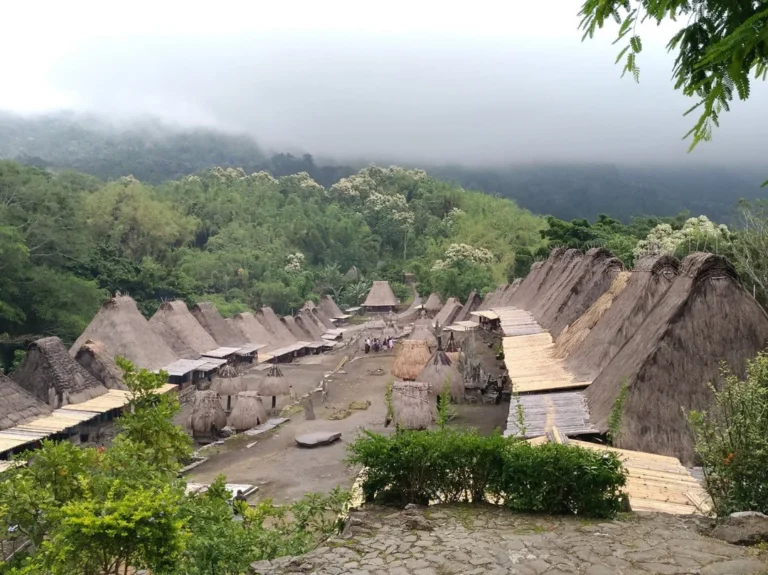
The most recognizable feature of Wae Rebo is its seven traditional cone-shaped houses, known as Mbaru Niang.
Built using traditional techniques and natural materials, these impressive houses feature steep, conical roofs that extend close to the ground. Their distinctive design helps protect the structures from the mountain environment.
Each Mbaru Niang has five levels, with different functions associated with daily living, food storage, and cultural or ceremonial purposes.
The houses are more than architectural landmarks. They represent the social structure, shared identity, and ancestral traditions of the Manggarai community.
Wae Rebo’s traditional architecture has received international recognition, including a UNESCO Asia-Pacific Award of Excellence for Cultural Heritage Conservation in 2012.
Experience Authentic Manggarai Culture
Visiting Wae Rebo is much more than sightseeing. It is an opportunity to learn about the culture and daily life of a traditional mountain community.
During your visit, you may have opportunities to:
- Meet local families and learn about village life.
- Discover Manggarai customs and traditions.
- Learn about traditional farming practices.
- Taste locally produced Flores coffee.
- Observe traditional weaving and handicrafts when available.
- Experience the peaceful atmosphere of the mountain village.
- Photograph the distinctive Mbaru Niang houses and surrounding landscapes.
Experiences depend on local activities and community availability during your visit.
Staying overnight, when permitted and arranged with the community, can provide more time to appreciate the village’s atmosphere and learn about local traditions.
Tourism also creates opportunities for local communities through accommodation, meals, guiding, and other visitor services.
Why Visit Wae Rebo Village?
Wae Rebo offers a different experience from the beaches and islands around Labuan Bajo. Instead of exploring the ocean, visitors travel into the mountains to discover traditional architecture, cultural heritage, and the natural beauty of Flores.
Here are some reasons to include Wae Rebo in your travel plans:
Authentic cultural experience
Learn about the traditions and way of life of the Manggarai people.
Unique traditional architecture
See the famous Mbaru Niang houses, which are rarely found elsewhere.
Beautiful mountain scenery
Enjoy green valleys, misty mountains, and lush tropical forests.
Scenic rainforest trekking
Experience an adventurous walk through the natural landscapes of Flores.
Cool mountain climate
Enjoy a refreshing change from the warmer coastal areas of Labuan Bajo.
Local hospitality
Discover the importance of community traditions and welcoming visitors respectfully.
For travelers interested in culture, nature, and adventure, Wae Rebo is one of the highlights of a Flores overland journey.
Best Time to Visit Wae Rebo
The period from April to November is generally a good time to plan a visit, although weather conditions can change throughout the year.
During the drier months, trekking may be more comfortable. From December to March, rainfall can make the trail wetter and more slippery, and travel times may increase.
However, the mountains can remain lush and green throughout the year. Conditions vary, so check the forecast and local advice before departure.
Regardless of the season, bring a rain jacket, wear appropriate footwear, and allow flexibility in your itinerary.
What to Bring for Your Wae Rebo Trek
Preparing the right equipment will make your trip more comfortable.
We recommend bringing:
- Comfortable trekking shoes with good grip
- Lightweight, breathable clothing
- A warm jacket for the cool mountain air
- A rain jacket or poncho
- A small backpack
- Drinking water
- Sunscreen and a hat
- Insect repellent
- Personal medication and basic first-aid supplies
- A camera or smartphone
- A power bank
- Extra clothes and socks
- Cash for local purchases and community services
If you plan to stay overnight, bring the personal items you need for a night in a remote mountain village. Facilities may be basic, so prepare for a simple and authentic experience.
How to Get to Wae Rebo from Labuan Bajo
Most visitors travel to Wae Rebo from Labuan Bajo by private car with a driver or as part of an organized Flores overland tour.
The usual route includes:
- Labuan Bajo to Denge Village: Travel by road through the landscapes of western Flores.
- Denge to Wae Rebo: Continue on foot along the rainforest trekking trail.
- Explore the village: Learn about the Mbaru Niang houses and local traditions.
- Return or stay overnight: Depending on your arrangements, return to Denge or spend the night in the village if accommodation is available.
Because the journey involves several hours of driving and a mountain trek, it is important to plan your schedule carefully.
For a more convenient experience, explore our Wae Rebo and Nuca Molas Tour.
If you would like to discover more of Flores, you can also consider our Flores Overland Tour, which offers an opportunity to explore the island’s landscapes and cultural destinations over several days.
Combine Wae Rebo with Komodo National Park
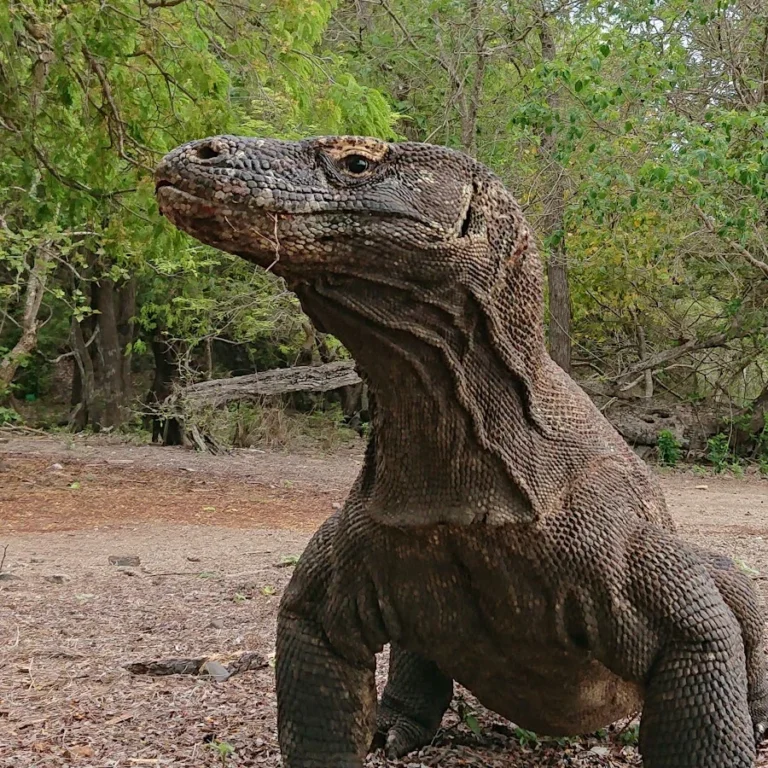
If you are traveling to Labuan Bajo, you can combine a cultural journey to Wae Rebo with an adventure in Komodo National Park.
This combination allows you to experience two different sides of Flores: the traditional mountain communities on the mainland and the islands, wildlife, and marine landscapes of Komodo.
Depending on your available time, consider these options:
- Komodo and Flores Combined Tour – 6 Days 5 Nights: Combine a Komodo experience with selected destinations on mainland Flores. Confirm the itinerary to ensure Wae Rebo is included.
- Komodo 1 Day Trip by Fast Boat: Explore selected highlights of Komodo National Park on a day trip.
- Komodo Open Trip 2 Days 1 Night: Enjoy an overnight boat adventure around selected islands and snorkeling locations.
- Komodo Open Trip 3 Days 2 Nights: Spend more time exploring Komodo National Park by boat.
For more options, visit our Flores and Komodo tour catalogue.
Please note that Wae Rebo and Komodo National Park are different destinations and may require separate arrangements. Check the itinerary, accommodation, transportation, and included services before booking.
Responsible Tourism in Wae Rebo
Wae Rebo is a living traditional village, and visitors play an important role in helping preserve its cultural heritage.
To make your visit respectful and meaningful:
- Follow local customs and your guide’s instructions.
- Respect the village’s sacred areas and traditional houses.
- Ask permission before photographing people or ceremonies.
- Avoid littering and take your rubbish with you.
- Dress respectfully when visiting the village.
- Support local services and community products where possible.
- Keep noise to a minimum and respect residents’ privacy.
A thoughtful visit helps protect the village’s traditions while allowing travelers to learn from its unique cultural heritage.
Frequently Asked Questions About Wae Rebo Village
How long does it take to reach Wae Rebo from Labuan Bajo?
The drive to Denge Village generally takes around 5–6 hours, followed by a trek of approximately 2–3 hours. Actual travel times depend on road conditions, weather, and walking pace.
Is the trek to Wae Rebo difficult?
The trek is moderately challenging because of the uphill trail and natural terrain. A reasonable level of fitness and suitable trekking shoes are recommended.
Can I stay overnight in Wae Rebo?
Overnight stays may be available through local community arrangements. Accommodation is generally simple, so confirm availability and facilities before your trip.
What makes Wae Rebo famous?
Wae Rebo is known for its seven traditional Mbaru Niang houses, its mountain setting, and the cultural traditions of the Manggarai people.
Can I visit Wae Rebo and Komodo National Park on the same trip?
Yes. Many travelers combine a Flores overland experience with a Komodo boat tour. The number of days required depends on your route and the destinations you want to visit.
Do I need a local guide?
A local guide is strongly recommended, particularly for the rainforest trek and for understanding local customs. Follow community guidance and any arrangements required for your visit.
Plan Your Wae Rebo Adventure with Sail To Komodo
Discover the cultural heart of Flores with a visit to Wae Rebo Village. From the scenic mountain journey and rainforest trek to the iconic Mbaru Niang houses, this remarkable destination offers an unforgettable opportunity to experience the traditions and landscapes of Indonesia.
At Sail To Komodo – Official Local Operator, we help travelers explore the beauty of Flores and Komodo through local travel experiences and organized tour arrangements.
Explore our Wae Rebo and Nuca Molas Tour or browse our complete Flores and Komodo tour collection to plan your next adventure.
Experience the hidden beauty of Flores, discover its living cultural heritage, and make your journey truly memorable.